
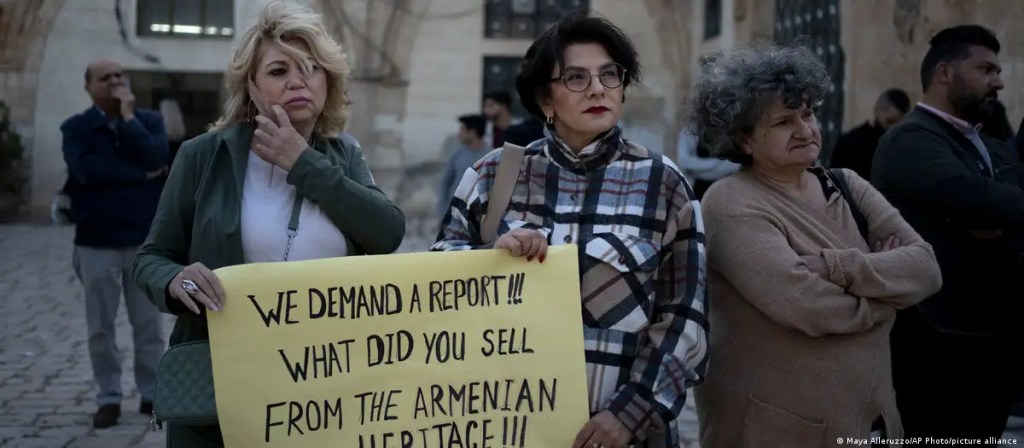
For the past couple of weeks, Hagop Djernazian, an Armenian youth activist, has been one of the organizers of weekly protests in what’s known as the Armenian Quarter in jerusalems old city. The neighborhood is home to around 2,000 Armenian Christians, a community that has been there for hundreds of years.
“We are going through very difficult times. In my opinion this is our last battle, not just as an Armenian community but as Christians,” Djernazian told DW. “When I say the last battle, it means we need to protect what we have.”
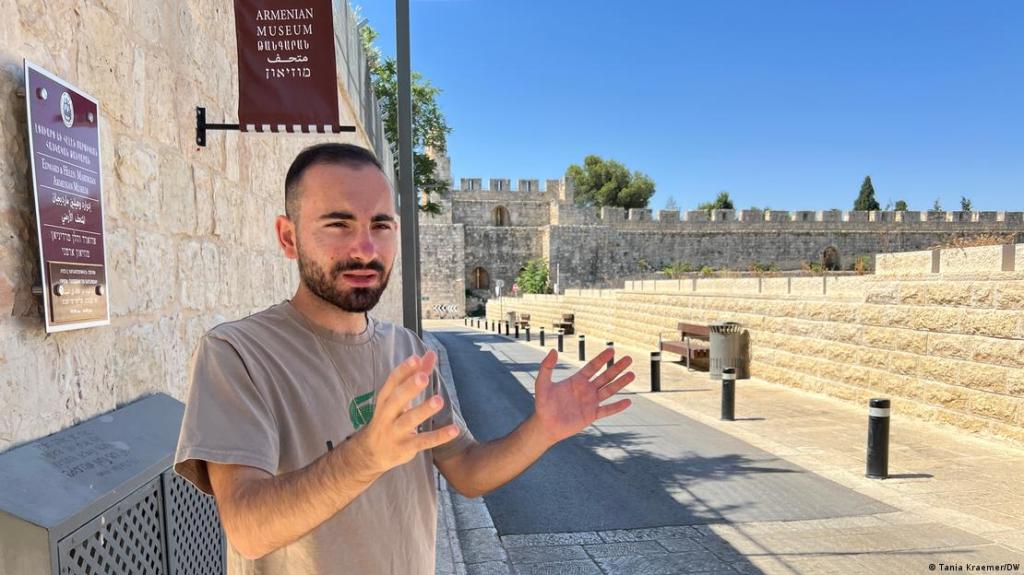
Djernazian is talking about a shady real estate deal that has shaken many in this tight-knit community to the core and reverberated well beyond the walls of the Old City in Israeli-annexed east Jerusalem. Any piece of real estate in the walled Old City, barely 1 square kilometer in size (about 0.35 square miles), is politically important and much sought-after.
The little that is known about the real estate deal is that it involves approximately 25% of the Armenian Quarter. Land located within the Old City walls was leased for 99 years to a commercial entity owned by a Jewish-Australian businessman, to reportedly develop a luxury hotel complex. It mainly involves a large parking lot, one of the few open areas in the densely built ancient city and a prime area for potential real estate.
‘Every week we are finding out new information’
“We have become detectives, every week we are finding out new information,” said George Hintlian, an Armenian historian, who describes the developments as “cultural suicide.”
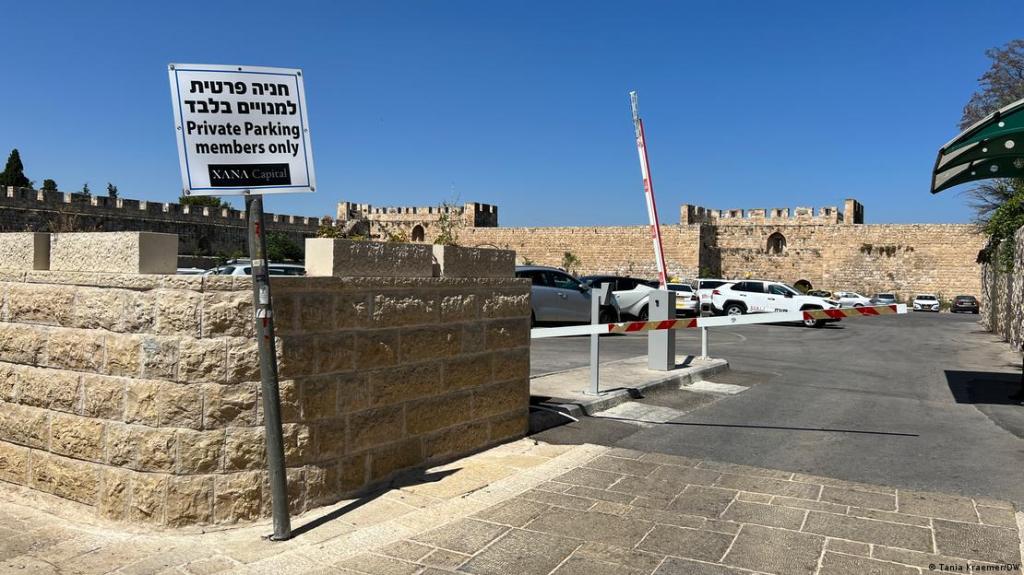
In April, residents said, Israeli land surveyors inspected the area and the new owner marked out the parking lot with company signs in Hebrew and English. But residents have since learned that the scope of the lease is much larger and allegedly entails the entire area commonly known as the Cows’ Garden. Today, this area houses the Armenian seminary, the homes of several Armenian families, a restaurant, the community’s printing press and a cultural hall.
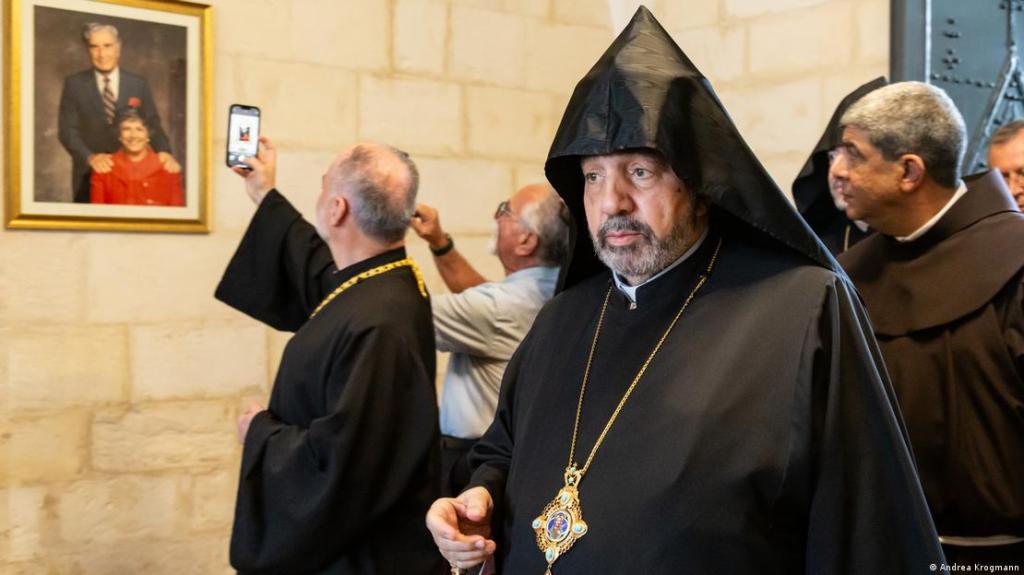
The lease was reportedly signed by the Armenian patriarch, Nourhan Manougian, the head of the Armenian Christian community in Jerusalem. According to media reports, he has denied any wrongdoing, instead blaming a local priest who headed the real estate department for deceiving him. The now-defrocked priest has since left for the US state of California.
The patriarch is said to be mostly confined to his quarters at the Armenian Convent of Saint James, sources in the community have said. The Patriarchate did not respond to DW’s requests for an interview.
Both Palestinian President Mahmoud Abbas and Jordan’s King Abdullah II — who is the custodian of Muslim and Christian holy sites in east Jerusalem — have suspended their recognition of Manougian. This affects his ability to run the community’s civil and religious affairs.
Armenian community looking for answers
Meanwhile, the community is looking for answers. Apparently, the deal was done without the oversight of the Armenian synod, a body which oversees the church’s affairs. But it is unclear whether this could prove essential to cancel the deal.
In April, residents said, Israeli land surveyors inspected the area and the new owner marked out the parking lot with company signs in Hebrew and English. But residents have since learned that the scope of the lease is much larger and allegedly entails the entire area commonly known as the Cows’ Garden. Today, this area houses the Armenian seminary, the homes of several Armenian families, a restaurant, the community’s printing press and a cultural hall.
The lease was reportedly signed by the Armenian patriarch, Nourhan Manougian, the head of the Armenian Christian community in Jerusalem. According to media reports, he has denied any wrongdoing, instead blaming a local priest who headed the real estate department for deceiving him. The now-defrocked priest has since left for the US state of California.
The patriarch is said to be mostly confined to his quarters at the Armenian Convent of Saint James, sources in the community have said. The Patriarchate did not respond to DW’s requests for an interview.
Both Palestinian President Mahmoud Abbas and Jordan’s King Abdullah II — who is the custodian of Muslim and Christian holy sites in east Jerusalem — have suspended their recognition of Manougian. This affects his ability to run the community’s civil and religious affairs.
Armenian community looking for answers
Meanwhile, the community is looking for answers. Apparently, the deal was done without the oversight of the Armenian synod, a body which oversees the church’s affairs. But it is unclear whether this could prove essential to cancel the deal.
The deal reflects the political sensitivity of the situation in Jerusalem, and one of the core issues of the Palestinian-Israeli conflict. Israel captured east Jerusalem — including the Old City — from Jordan after the war in 1967. It later annexed the area and declared the city Israel’s undivided capital, in a move that is not recognized internationally. Palestinians seek to establish their own capital in east Jerusalem in any future state. Any major change in the social fabric of the Old City, and every plot of land, has political impact.
Residents have now placed their hopes on a group of lawyers from the US and Armenia who carried out a fact-finding mission in early June. Their report and recommendations are expected to be released soon.
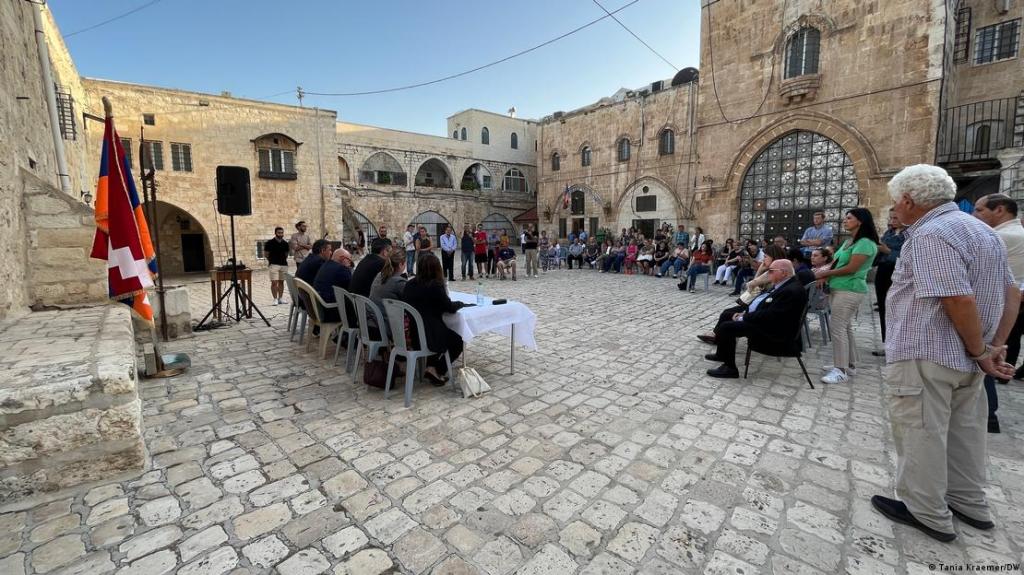
Speaking in the courtyard of the Armenian Convent of Saint James, attorney Garo Ghazarian, of Los Angeles, said “the absolute value in the Armenian Quarter in Jerusalem lies in the integrity of all its components … Handing [it] over to some private organization for commercial purpose, we must be mindful of the credible risk of displacement which stands to threaten Armenians who have lived in the quarter since historical times.”
For many Armenians, the act of signing away land in the Armenian Quarter has sent the community into uncharted territory. Armenians have long had historical ties to Jerusalem; their ancestors came to the region over 1,500 years ago. After 1915, many more fled to Jerusalem from parts of the former Ottoman Empire where they were threatened with genocide.
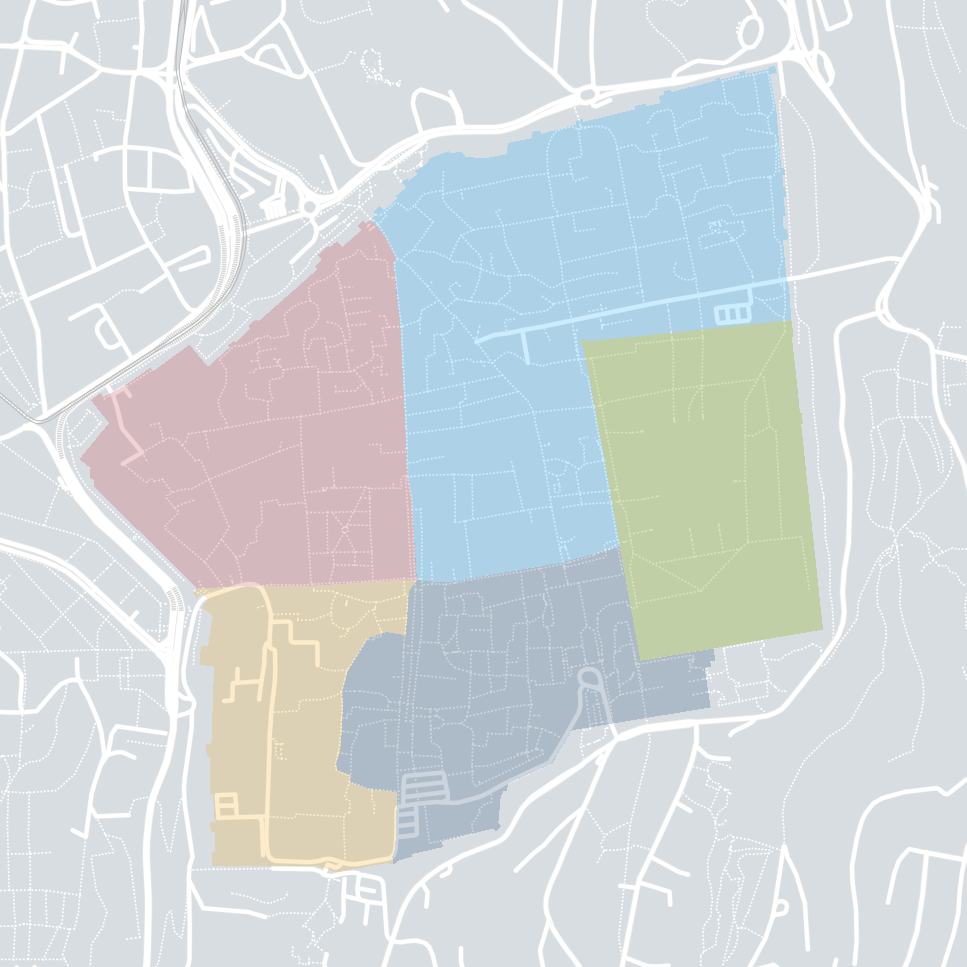
Their quarter is the smallest of the four neighborhoods in Jerusalem’s Old City and sits next to the Jewish and the Christian Quarters. The Armenian Convent of Saint James is at the heart of this community and its social life, with youth clubs and even its own football pitch. It’s right next to the land that has been allegedly leased. Additionally, residents say young Armenians already have a hard time finding housing, and signing away land will just exacerbate the many pressures on the dwindling community.


 ENDTIME PRAYER RADIO AND TRIPLE K. MEDIA, BELONGS TO BISHOP DR. PETER ABABIO AND REV. SABINA NSIAH ABABIO..
Leave a comment