

While often used interchangeably, “disease” and “illness” have distinct meanings in the context of health and medicine:
Disease:
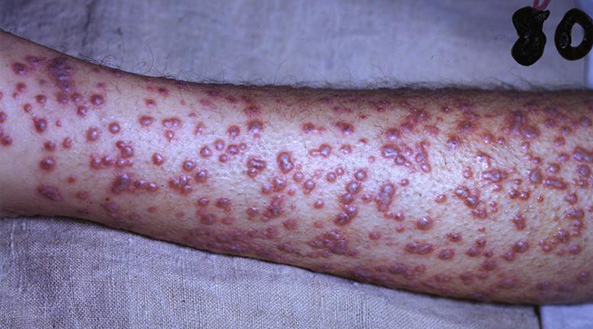
- A specific, identifiable medical condition or disorder, such as diabetes, cancer, or hypertension.
- Typically characterized by a clear set of symptoms, signs, and laboratory findings.
- Often considered a more objective, biological or physiological phenomenon.
Illness:

- A person’s subjective experience of feeling unwell, which may include physical, emotional, or mental aspects.
- Encompasses the personal, social, and cultural aspects of experiencing a disease or health problem.
- Involves the individual’s perception, interpretation, and response to their symptoms and condition.
To illustrate the difference:
- Disease: A person has hypertension (a specific medical condition).
- Illness: The person experiences symptoms like headaches, fatigue, and anxiety, and may feel worried, stressed, or impacted in their daily life.
In summary, disease tends to focus on the underlying medical condition, while illness encompasses the broader, more personal experience of being unwell.



 ENDTIME PRAYER RADIO AND TRIPLE K. MEDIA, BELONGS TO BISHOP DR. PETER ABABIO AND REV. SABINA NSIAH ABABIO..
Leave a comment