
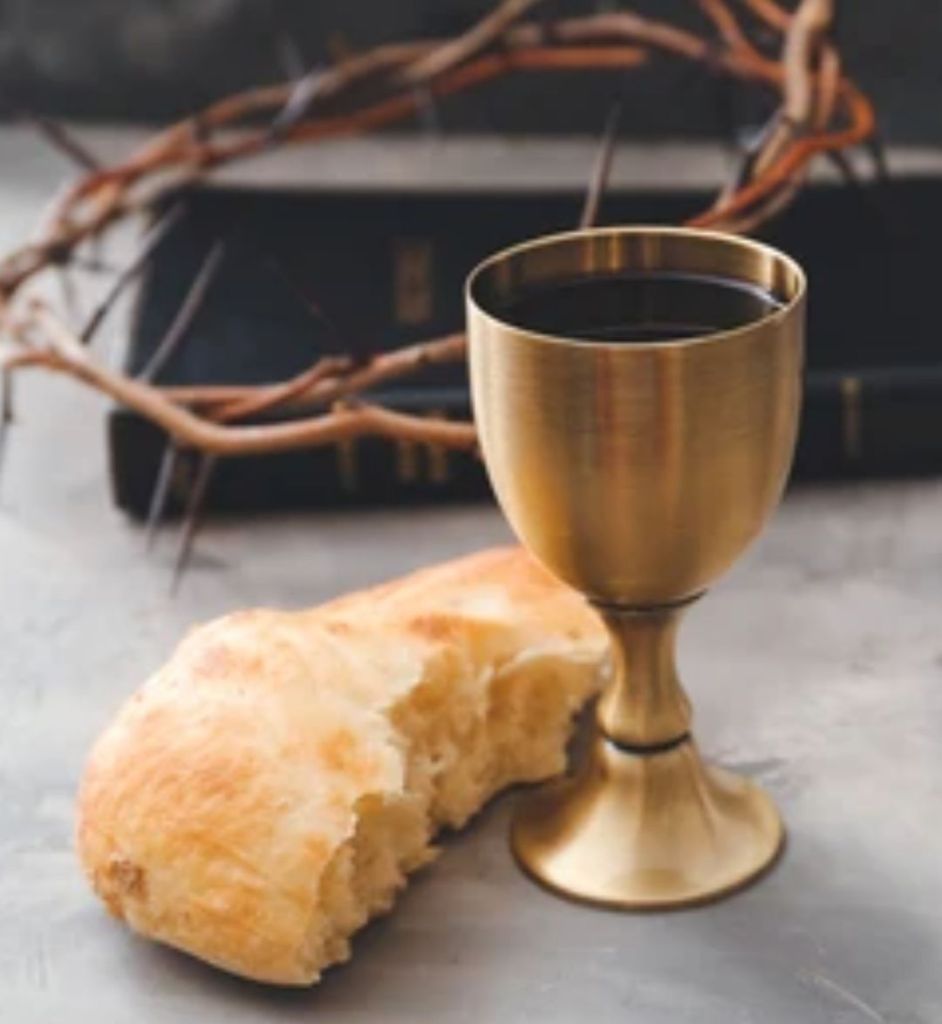
Jesus’ statement in John 6:53-54, “Unless you eat the flesh of the Son of Man and drink His blood, you have no life in you,” is often misunderstood.
*Context:* Jesus’ words follow His feeding of the 5,000 (John 6:1-14) and His declaration as the “Bread of Life” (John 6:35).
*Symbolic meaning:*
1. Flesh and blood represent Jesus’ sacrificial death and resurrection.
2. Eating and drinking symbolize spiritual union and communion with Christ.
*Not literal cannibalism:* Jesus wasn’t advocating literal consumption of human flesh and blood.
*Communion connection:* While Jesus’ words prefigure the Eucharist/Communion (Matthew 26:26-28, Luke 22:19-20), the primary focus is spiritual, not solely sacramental.
*Meaning:*
1. Acceptance of Jesus’ sacrifice and atonement.
2. Spiritual union with Christ through faith.
3. Participation in His life, death, and resurrection.
*Parallel passages:*
1. John 6:35 – “I am the bread of life; he who comes to me shall not hunger.”
2. John 10:9 – “I am the door; if anyone enters through Me, he will be saved.”
3. Galatians 2:20 – “I have been crucified with Christ; it is no longer I who live, but Christ lives in me.”
*Early Church interpretation:*
1. Augustine: “Eat His flesh and drink His blood, that is, receive His sacraments spiritually.”
2. Origen: “The flesh of Christ is the Word, and the blood is the Spirit.”
*Modern interpretation:*
1. Catholic Church: Understands this passage as referring to the Eucharist.
2. Protestant churches: Emphasize spiritual union and faith in Christ.
*Key takeaway:* Jesus’ statement emphasizes the necessity of spiritual union with Him, acceptance of His sacrifice, and participation in His life.
Let’s dive deeper into John 6:53-54 and its significance.
*Historical Context*
Jesus’ statement was made during the Feast of Passover, a time when Jews remembered their deliverance from slavery in Egypt. Jesus, the “Bread of Life,” was claiming to be the true Passover Lamb, providing spiritual deliverance.
*Old Testament Allusions*
1. Exodus 12:5-13: The Passover lamb’s blood saved the Israelites from death.
2. Leviticus 17:11: “The life of the flesh is in the blood.”
3. Ezekiel 36:25-27: God promises to cleanse and give new life through spiritual cleansing.
*Symbolism*
1. Flesh (σαρξ, sarx): Represents Jesus’ human nature, sacrifice, and vulnerability.
2. Blood (αἱμα, haima): Symbolizes life, atonement, and purification.
3. Eating (ἐσθίω, esthio) and Drinking (πίνω, pinō): Represent spiritual appropriation and union.
*Interpretations*
1. *Eucharistic*: Catholic and Eastern Orthodox churches see this passage as establishing the Eucharist/Communion.
2. *Spiritual*: Protestant churches emphasize spiritual union and faith in Christ.
3. *Allegorical*: Early Church Fathers like Origen and Augustine saw the flesh and blood as symbols of the Word and Spirit.
*Parallel Passages*
1. Matthew 26:26-28: Institution of the Eucharist.
2. Luke 22:19-20: Institution of the Eucharist.
3. 1 Corinthians 10:16-17: Participation in Christ’s body and blood.
4. 1 Corinthians 11:23-25: Proper reception of Communion.
*Theological Implications*
1. *Soteriology*: Salvation comes through faith in Christ’s sacrifice.
2. *Christology*: Jesus is the Son of God, the Bread of Life.
3. *Ecclesiology*: The Church is formed through spiritual union with Christ.
*Practical Applications*
1. *Faith*: Trust in Christ’s sacrifice and atonement.
2. *Communion*: Participate in the Eucharist/Communion with reverence.
3. *Spiritual Union*: Cultivate intimacy with Christ through prayer and Scripture.
*Study Questions*
1. How does Jesus’ statement challenge or comfort you?
2. What does spiritual union with Christ mean to you?
3. How does this passage inform your understanding of Communion?



 ENDTIME PRAYER RADIO AND TRIPLE K. MEDIA, BELONGS TO BISHOP DR. PETER ABABIO AND REV. SABINA NSIAH ABABIO..
Leave a comment