
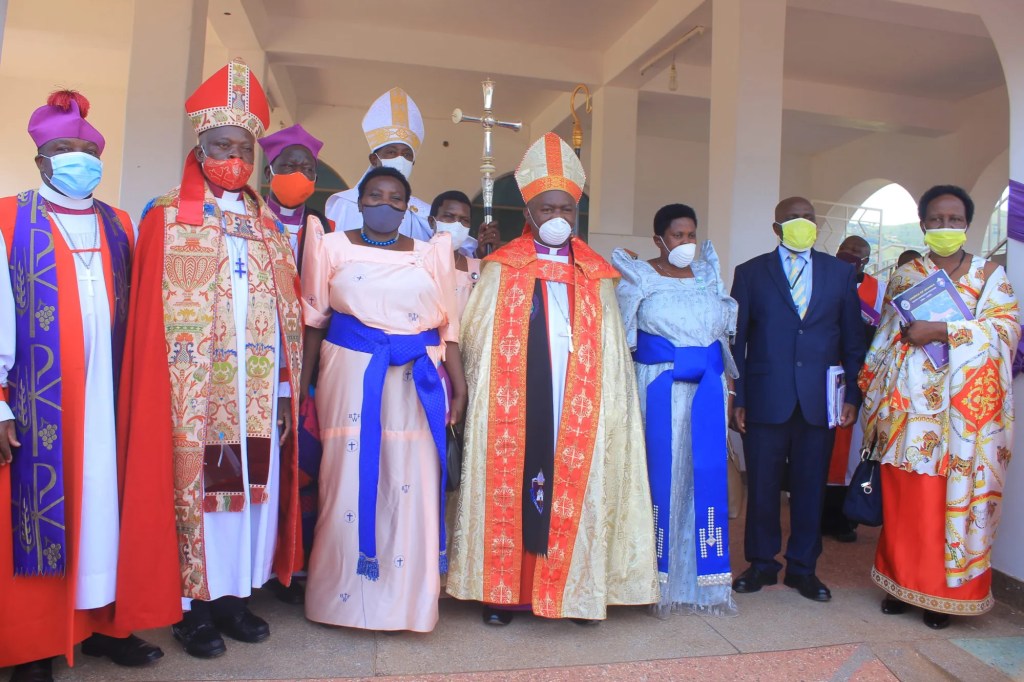
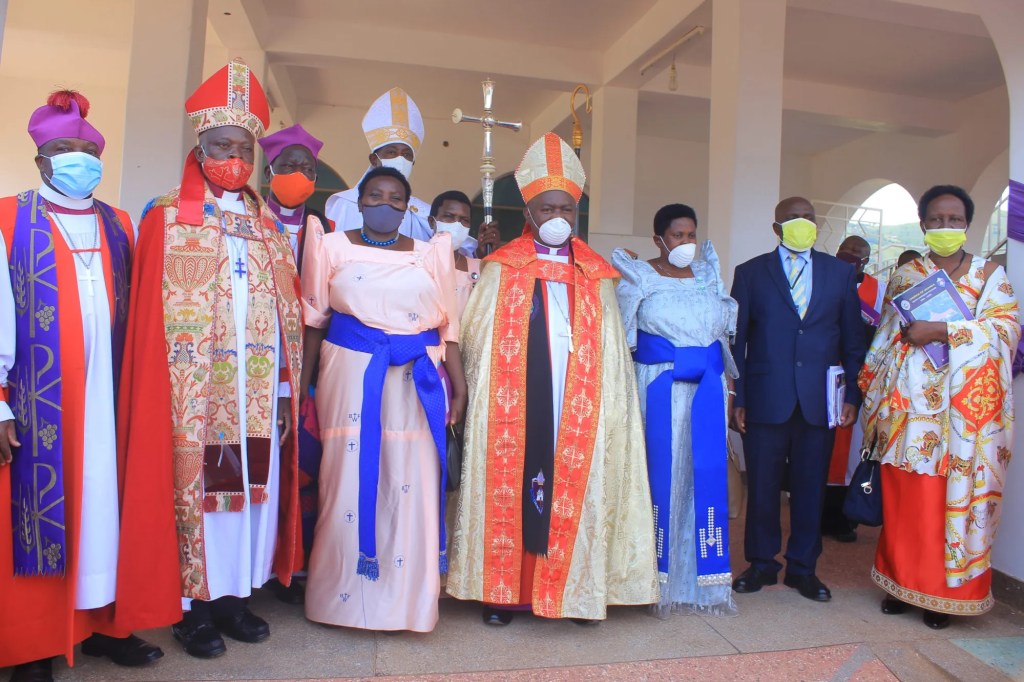
The Bishopric Office refers to the administrative and spiritual leadership role of a bishop within a Christian denomination, particularly in the Catholic, Eastern Orthodox, Anglican, and some Protestant churches.
Responsibilities:
- Spiritual guidance: Providing pastoral care and spiritual direction.
- Administrative oversight: Managing diocesan affairs, clergy, and resources.
- Doctrine and teaching: Upholding and interpreting church doctrine.
- Ordinations: Consecrating new clergy and confirming sacraments.
- Community engagement: Building relationships with local communities.
Types of Bishops:
- Diocesan Bishop: Leads a specific geographic area (diocese).
- Auxiliary Bishop: Assists the Diocesan Bishop.
- Coadjutor Bishop: Assists and succeeds the Diocesan Bishop.
- Archbishop: Oversees multiple dioceses (archdiocese).
- Patriarch: Highest-ranking bishop in some Eastern Orthodox churches.
Symbolism:
- Mitre (hat): Represents spiritual authority.
- Crozier (staff): Symbolizes guidance and protection.
- Ring: Signifies commitment to the church.
- Purple attire: Represents spiritual and royal lineage.
Biblical References:
- 1 Timothy 3:1-7: Qualifications for bishops.
- Titus 1:5-9: Characteristics of bishops.
- Matthew 10:1-4: Jesus’ appointment of apostles (early bishops).
Historical Development:
- Early Church: Apostles and their successors.
- Middle Ages: Establishment of dioceses and bishoprics.
- Reformation: Changes in bishopric roles and structures.
Contemporary Issues:
- Church governance and reform.
- Ecumenical dialogue and interfaith relations.
- Social justice and community engagement.
Personal Reflection:
- What does the bishopric office represent to you?
- How do you perceive the role of bishops in your faith community?
- What qualities do you think are essential for effective bishopric leadership?
Actionable Steps:
- Learn about your denomination’s bishopric structure.
- Engage with local bishops or clergy.
- Participate in community service initiatives.
Bishopric Office in Different Denominations
- Catholic Church: Hierarchical structure with Pope, Cardinals, Archbishops, and Bishops.
- Eastern Orthodox Church: Autocephalous churches with Patriarchs and Bishops.
- Anglican Communion: Episcopal polity with Archbishops and Bishops.
- Lutheran Church: Synodical structure with Bishops and Pastors.
- Methodist Church: Episcopal system with Bishops and District Superintendents.
Qualities of Effective Bishops
- Spiritual leadership
- Pastoral care
- Administrative skills
- Communication and collaboration
- Visionary and strategic thinking
- Integrity and accountability
- Empathy and compassion
Challenges Facing Bishops
- Declining church attendance
- Theological divisions
- Social justice and activism
- Clergy shortages
- Financial management
- Interfaith dialogue and ecumenism
- Adapting to changing societal norms
Biblical Foundations
- 1 Timothy 3:1-7
- Titus 1:5-9
- Matthew 10:1-4
- Acts 20:28
- 1 Peter 5:1
Historical Figures
- St. Augustine of Hippo
- St. Ambrose of Milan
- Martin Luther
- John Wesley
- Desmond Tutu
Contemporary Issues
- Women in episcopal roles
- LGBTQ+ inclusion
- Racial and ethnic diversity
- Climate change and environmental stewardship
- Mental health and wellness
Personal Reflection
- How do you perceive the role of bishops in your faith community?
- What qualities do you think are essential for effective bishopric leadership?
- How can you support and engage with your local bishop or clergy?
Actionable Steps
- Attend bishopric installations or ordinations
- Participate in diocesan or synod gatherings
- Engage in theological education or workshops
- Volunteer for community service initiatives
- Pray for bishops and clergy




 ENDTIME PRAYER RADIO AND TRIPLE K. MEDIA, BELONGS TO BISHOP DR. PETER ABABIO AND REV. SABINA NSIAH ABABIO..
Leave a comment